
A field of study for geospatial sciences.
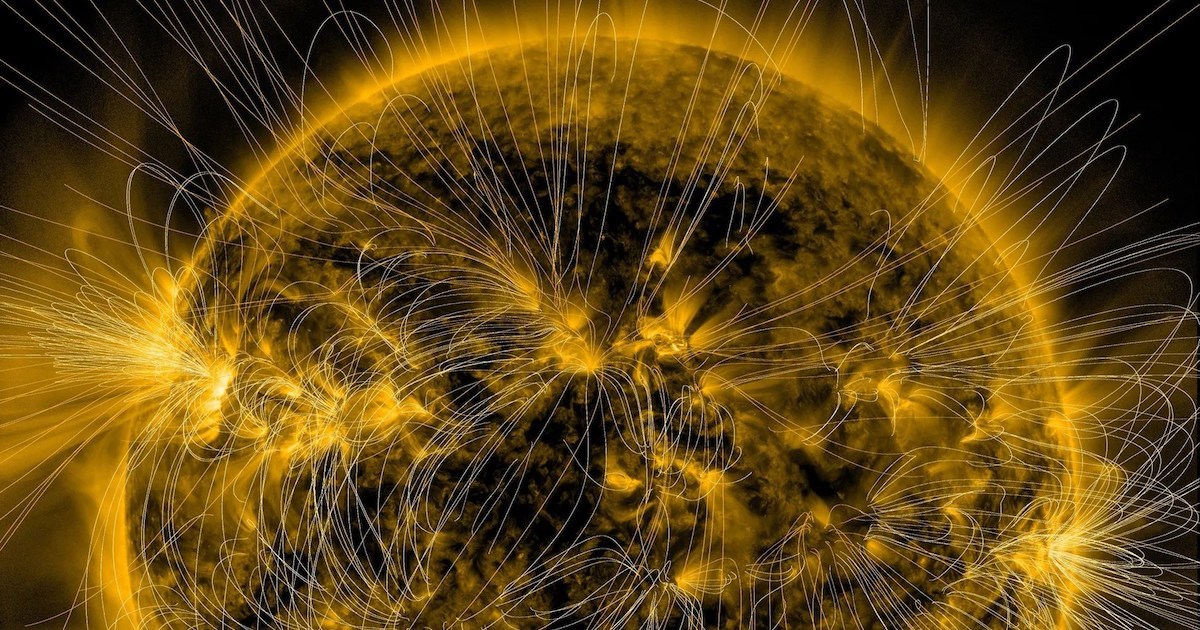
Space weather mitigation decisions by critical infrastructure operators during Solar Cycle 25
The study, published in Space Weather and co-authored by West Point faculty member Caitlin LaNeve, focuses on how power, satellite, and aviation operators handled space weather events over Solar Cycle 25, comparing academic advice with industry actions. While research often suggests large purchases of expensive hardware, or shutting down systems to avoid damage, most companies opted to continue operations to avoid losing money, relying on modeling and alert systems to manage risk. We identify a preparedness gap where larger companies have the ability to harden networks before operations, but smaller ones may choose to accept the risk of the storm due to high costs. Ultimately, this study highlights that instead of only purchasing new equipment, operators identified the need for more accurate, localized, space weather warnings from the government to protect critical infrastructure.
To cite this article: , , , , , & (2026). Space weather mitigation decisions by critical infrastructure operators during solar cycle 25. Space Weather, 24, e2026SW005072. https://doi.org/10.1029/2026SW005072
Want to know more? Click here to read the full paper!
Assessing Forest Health Across U.S. Army Installations Using Sentinel-2 Imagery
Introduction
Preparing soldiers for combat is the responsibility of the leaders within our United States Army. This requires realistic training locations to best simulate what soldiers can expect to see in combat. Forests are the life blood of that realistic setting. Our Army needs realistic, thriving forests to best simulate the conditions soldiers may meet in austere, forward deployed environments
Ground Truth Under Fire: Evaluating Backpack SLAM LiDAR for Under-Canopy Topography and Military Trafficability
Handheld SLAM LiDAR enables organic terrain collection in GPS-denied environments. This study compares SLAM-derived DEMs against UAS airborne ground truth at two sites to evaluate accuracy and asses whether the magnitude of the error is acceptable for vehicle trafficability planning.