
Design and ground testing of a Zero-Discharge plant growth system for microgravity Applications
Key Words: Microgravity • Space agriculture • Automated fertigation • Re-planting • Water Use Efficiency • Mizuna • Moisture sensors
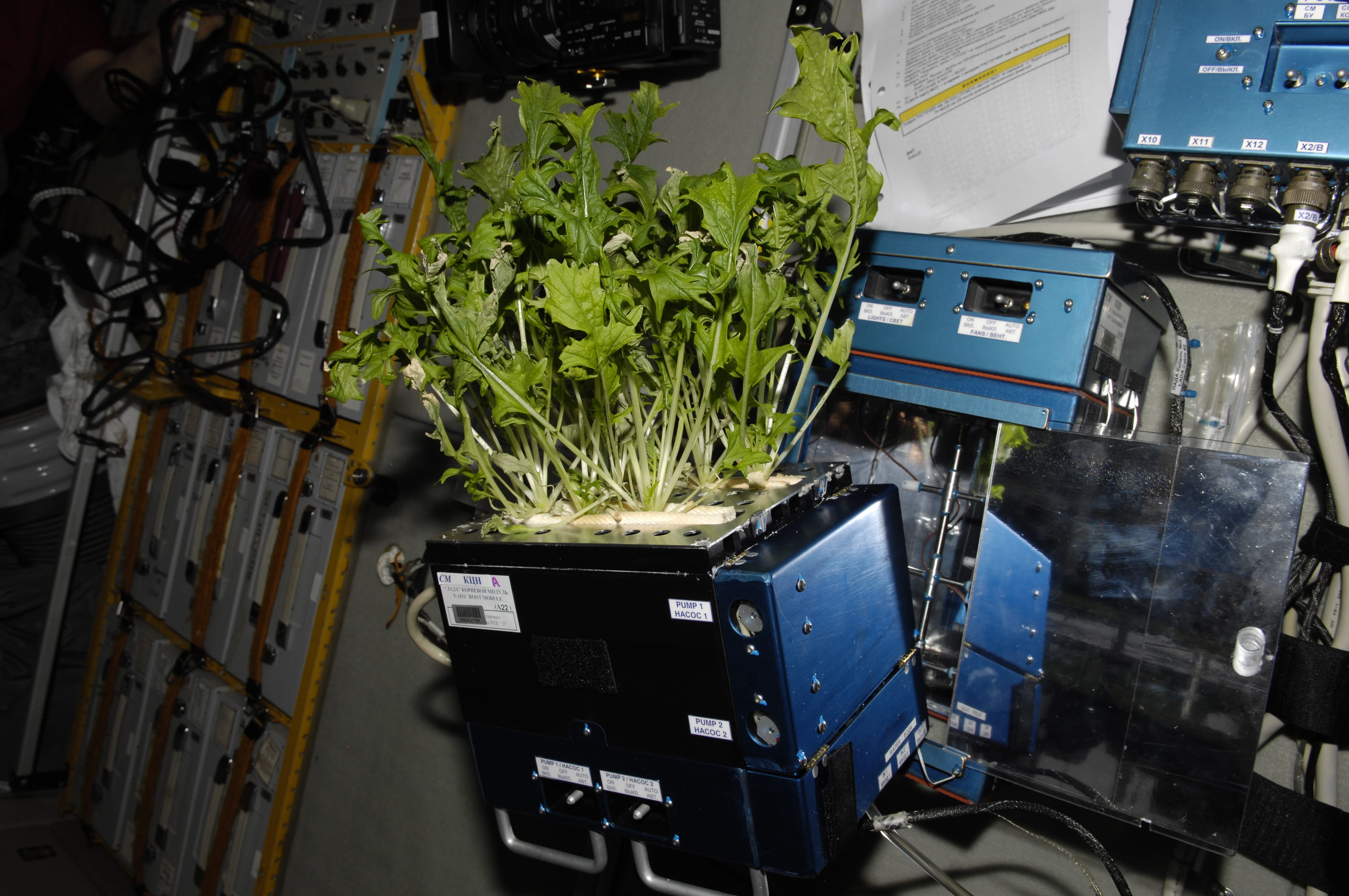
The study, published in Computers and Electronics in Agriculture and co-authored by West Point faculty member Sarah Schreck, details the design and ground testing of the Utah Reusable Root Module (URRM) system developed for space-based agriculture within NASA’s Ohalo III Crop Production System. Researchers engineered a zero-discharge, automated fertigation framework equipped with redundant soil moisture sensors and innovative top cover containment designs to manage water, nutrients, and gas distribution in a microgravity environment. Preliminary ground tests utilizing Mizuna demonstrated that the system reliably maintained target soil moisture ranges and uniform resource distribution without manual intervention, successfully yielding over 1 kg of fresh edible biomass. These findings highlight the URRM’s capacity to support semi-autonomous, high-efficiency crop production across continuous cycles, significantly strengthening the feasibility of life-support systems for long-duration human space exploration.
To cite this article: Garrido-Ruiz, C., González-Teruel, J. D., Dixon, C., Schreck, S., Bingham, C., Winward, T., Hutchings, R., Bingham, G. E., Bugbee, B., & Jones, S. B. (2025). Design and ground testing of a Zero-Discharge plant growth system for microgravity Applications. Computers and Electronics in Agriculture, 239, Article 111044. https://doi.org/10.3354/esr01429
Want to know more? Click here to read the full paper!